
Critical Incident Response Built for Corporate Operations
Turn security planning into
coordinated operational control.
CIR helps corporate security and operations teams prepare, respond, coordinate and maintain control across day-to-day operations and critical.
What is Critical Incident Response – CIR?
CIR is a comprehensive critical event management platform that enables organizations to plan, manage, and continuously adapt across day-to-day operations to critical situations.
Built on over 15 years of security expertise and backed by a leading technology group of more than 1,000 specialists, CIR provides a unified command-and-control environment across the entire operational lifecycle, seamlessly connecting SOP-driven planning, real-time response, continuous improvement insights.
years security advisory
functional modules
IoT integrations
users across solutions
Built for the full critical incident lifecycle
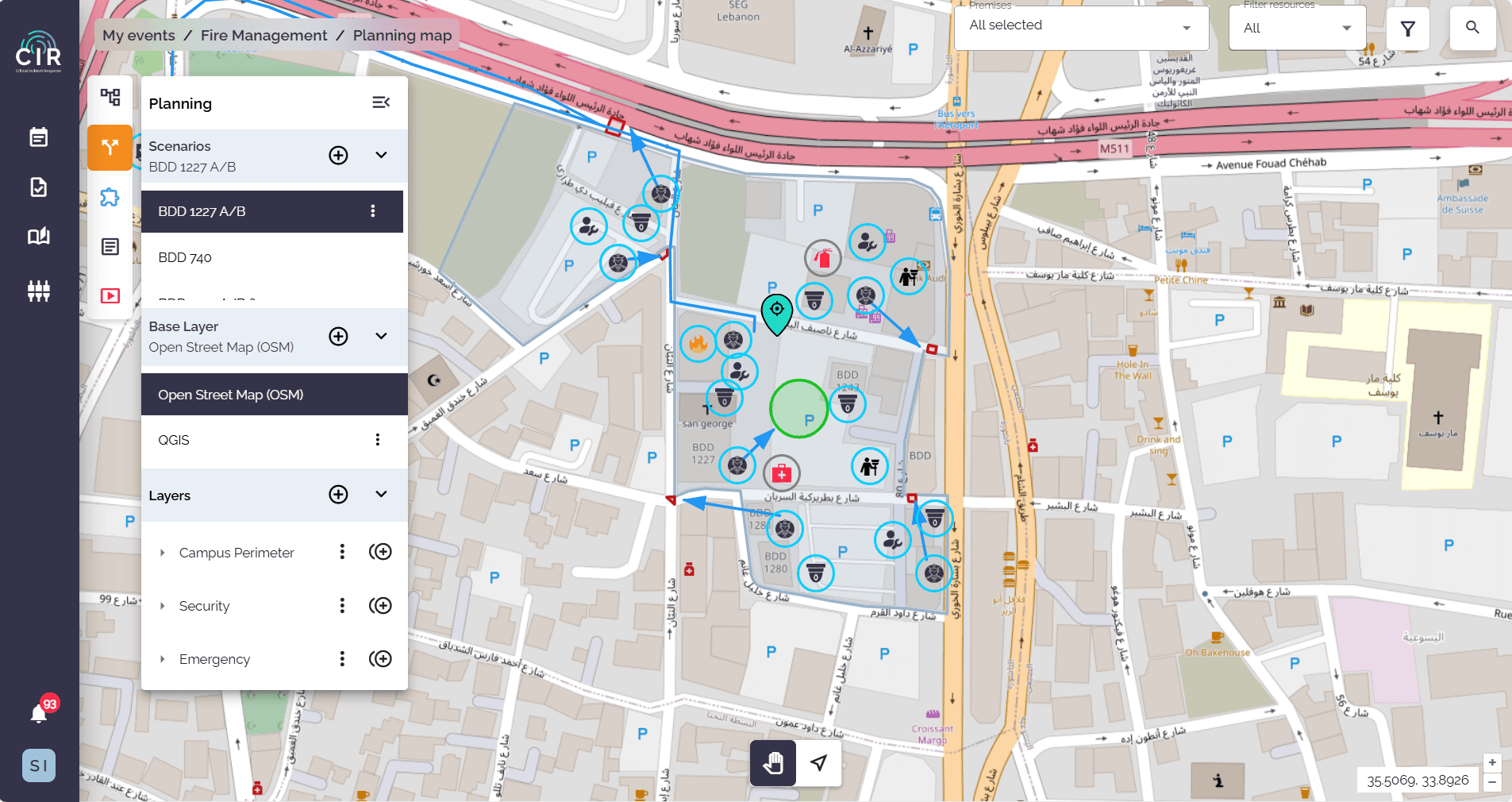
1. Centralized & executable planning
Plan, manage, and prepare for incidents from one authoritative interface.
Manage plans across cases, scenarios, and risks
Create customizable, SOP-aligned plans with forms and maps
Define zones, perimeters, and position with operational clarity
Assign tasks, roles, personnel, and assets
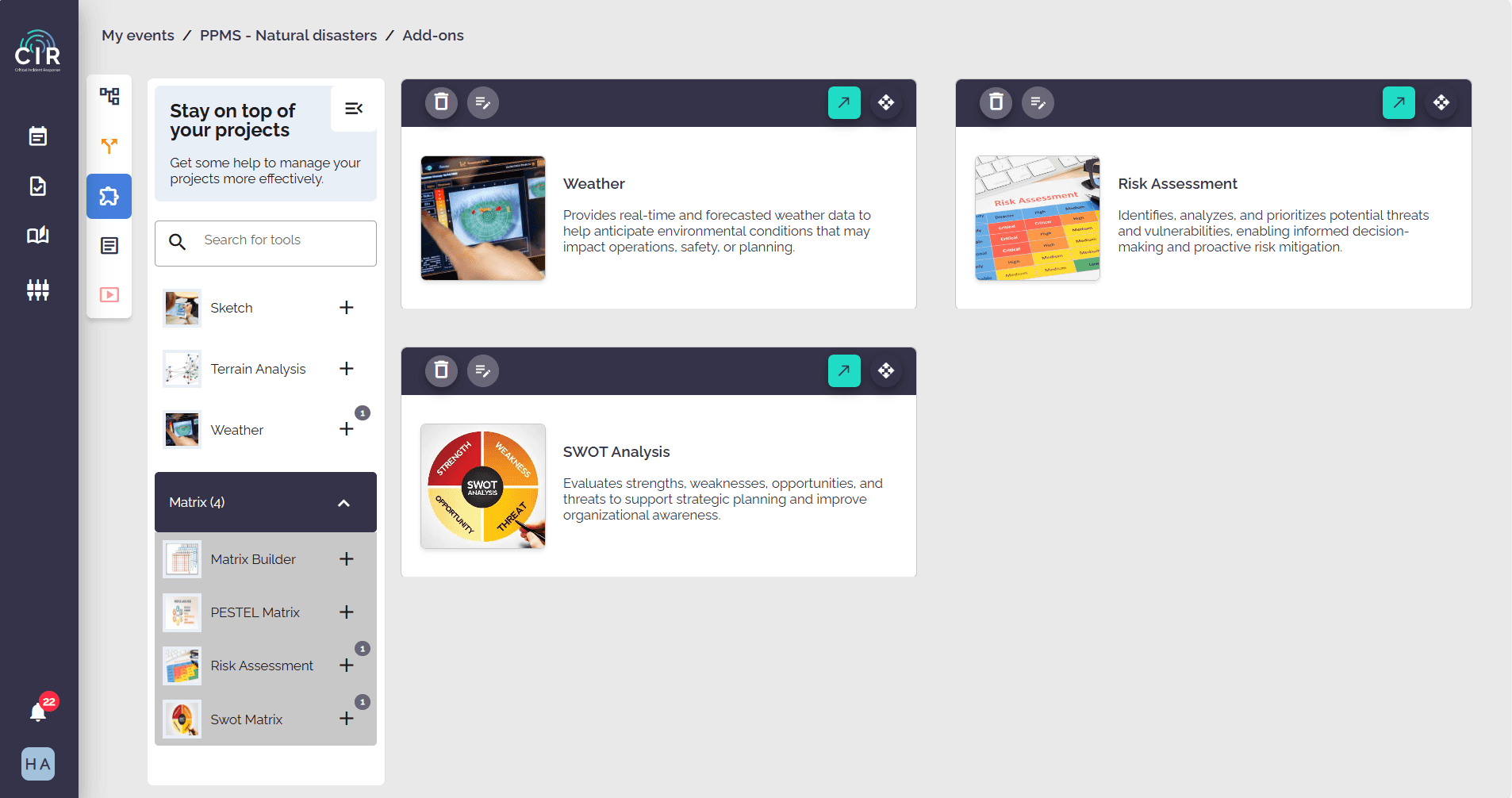
2. Expandable intelligence & integrations
Enhance decisions with contextual intelligence and seamless connectivity.
Plug-in add-ons such as weather data, risk indicators, and external feeds.
Integrate systems, sensors, and external data sources.
Connect CCTV, cameras, and video into workflows.
Extend capabilities without disrupting existing workflows.
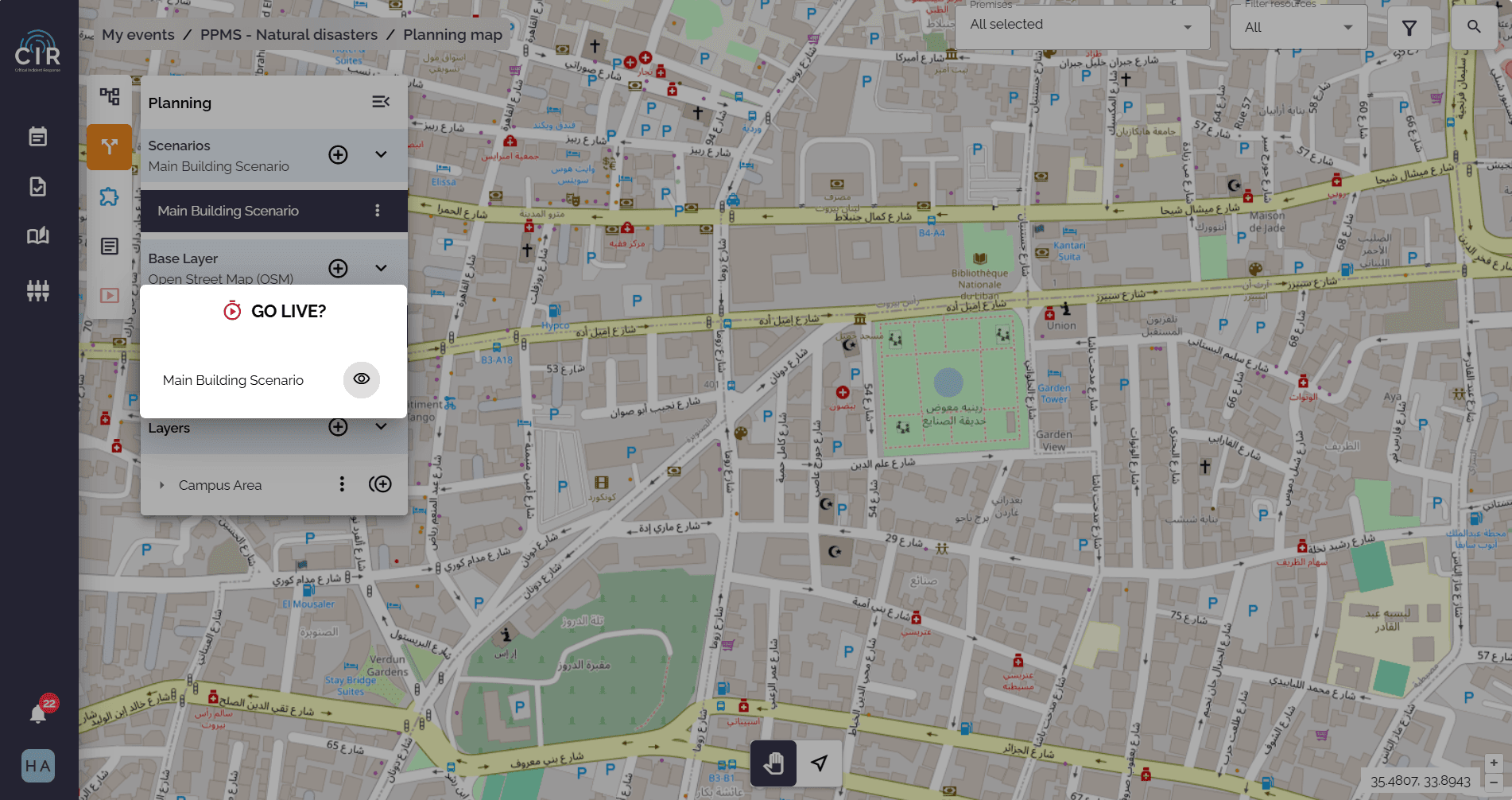
3. Live activation & real-time command
Move from planning to execution instantly while maintaining full command and control.
Activate approved plans immediately as situations escalate
Notify teams and deploy pre-planned tasks in real time
Track unit and resource deployment via GPS or beacons
Control operations across zones, sites, and specific locations
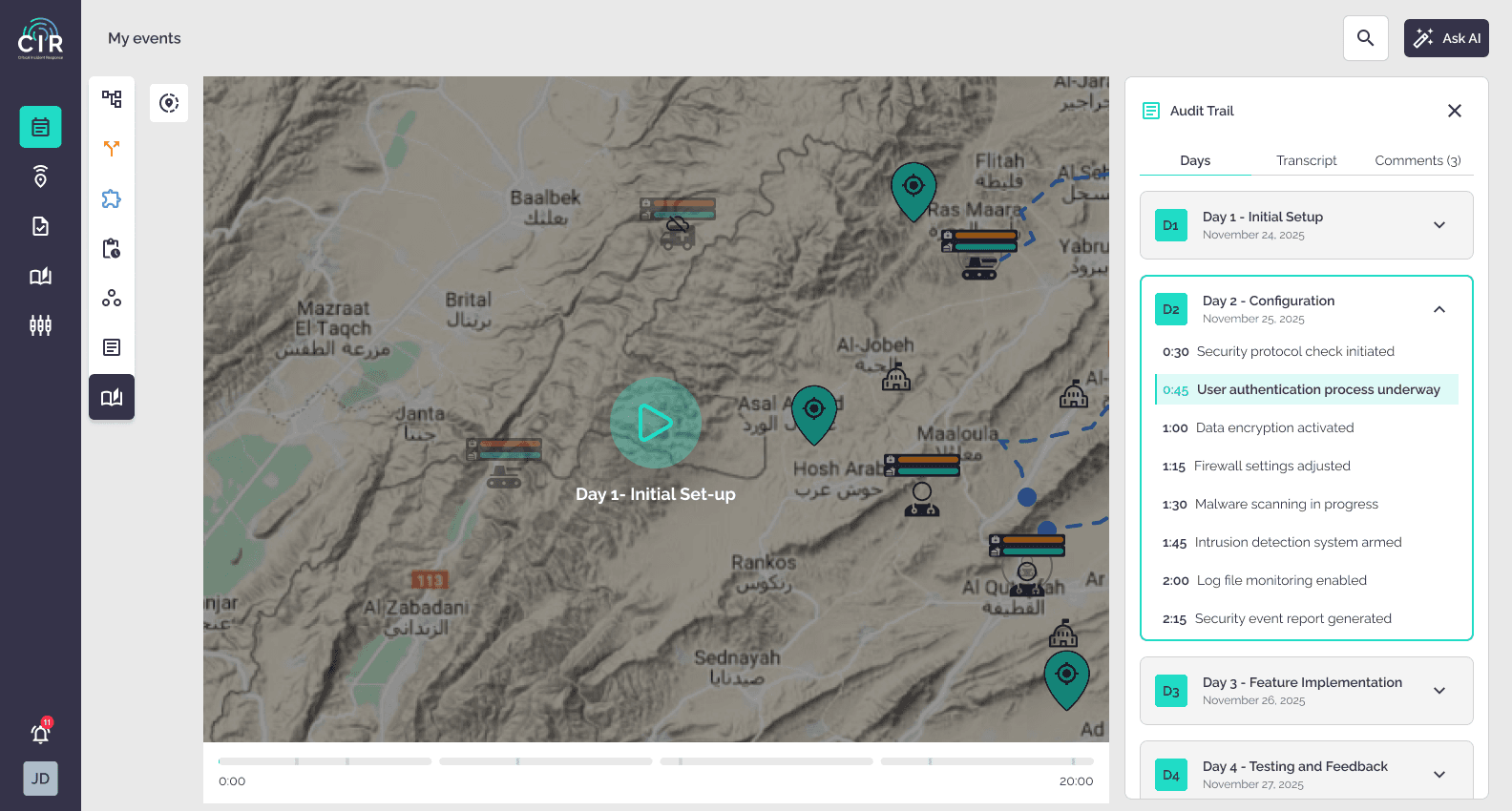
4. Knowledge capture & continuous improvement
Turn every incident into actionable insight that strengthens future readiness.
Automatically capture event history, actions, and decisions
Store lessons learned in a centralized, searchable knowledge base
Improve templates, plans, and responses based on real operational data
Strengthen preparedness through continuous operational learning